
Beyond productivity with Dayshift: Designing a personal culture of work
A practice-oriented approach to understanding and shaping work culture by balancing structure, autonomy, and human connection in a changing professional landscape.
Navigating evolving cultures.
What does your personal culture of work look like? It’s a question most people don’t ask themselves or are even aware of, yet it’s an emerging opportunity in navigating today’s remote and hybrid work environments. At Dayshift, we’ve spent years researching how individuals, teams, and organisations adapt to new work realities, uncovering a fascinating shift in how people approach work, productivity, and well-being.
As we enter 2025, we’re becoming aware that workplace culture is no longer confined to office walls. In a hybrid or fully remote setting, people are shaping their own micro-cultures of work. Some excel, while others struggle with focus, collaboration, and balance.
Some might say, “This is over, we’ve moved on.” But have we? When our research began in 2020, we consistently heard the struggles of individuals, leaders, students, and professors trying to navigate what remote and hybrid work meant on both a personal and team level. Productivity was a key concern, but more so was the ability to design work around life rather than the other way around. Beyond the luxury of choice, there is an intentional mindset that can be built to navigate remote complexity.
The common theme? People are searching for new ways to structure their work lives. But this isn’t about office perks or a luxury of flexible work, it’s about self-awareness and professional development. Understanding how we work best isn’t just an advantage; it’s a way to develop a sense of balance, purpose, and connection in how we engage with our work. There’s so much intentional design work to be done.
A shifting professional landscape.
Youth entering the workforce today face a dramatically different professional landscape than previous generations. The transition from traditional office work to hybrid and fully remote environments is reshaping both where and how we work. Navigating this shift requires more than just adapting to an office setting; it demands the ability to fluidly move between multiple workspaces, from home offices to third spaces like cafés and libraries, often blending work and personal life in ways we aren’t fully prepared for.
Even experienced professionals are still navigating these rapid shifts, often by trial and error. By developing awareness of our personal culture of work, we gain critical skills in self-management, communication, and adaptability.
Emergent personal cultures of work.
Traditionally, organisational culture has been about shared values and norms that align teams toward common goals. But what happens when work takes place in hundreds of different locations, each with its own routines, distractions, and energy levels? The answer isn’t about productivity hacks, it’s about developing a personal culture of work that feels natural, sustainable, and fulfilling over the long term while remaining adaptive to the individual and connected to others.
Through Dayshift Talk Parties, our interactive research sessions, we found that people’s work routines often conflict with how they want to work. Some struggle to reach deep focus while working from home, while others feel disconnected from their teams. Many experience difficulty in “switching off,” leading to a blurred boundary between work and personal life. These challenges point to a deeper need: the need to design a work culture that supports both well-being and performance on an individual level.
Understanding the Five Human Factors.
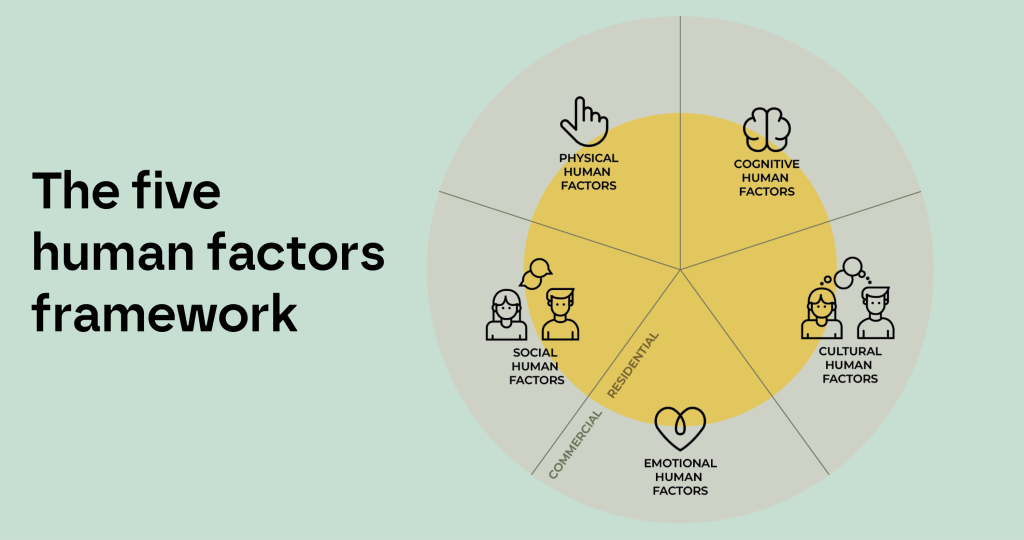
At Dayshift, we use the Five Human Factors Framework to understand these shifts in work culture. This design-based approach examines work through five key lenses:
- Physical needs: How our workspaces, tools, and environments impact productivity and comfort, especially as work and home life are often combined.
- Cognitive needs: The mental effort required to focus, solve problems, and maintain flow.
- Emotional needs: How stress, motivation, and work satisfaction influence performance.
- Social needs: The importance of interaction, collaboration, and a sense of belonging.
- Cultural needs: The agreements and norms that shape expectations and behaviours at work and home.
By mapping work experiences across these dimensions, we help individuals and teams pinpoint what’s working and what needs to change to create a more human-centric approach to work. Through this research, we’ve developed the Dayshift Model of Productivity, a structured approach that integrates these factors into actionable strategies for individuals and organisations navigating hybrid and remote work environments.
Bringing cultural awareness to the surface.
One of our biggest findings is that culture formation is now happening in both shared and personal spaces simultaneously. Managers see this firsthand. We hear repeated reports that morale has never been lower across teams, yet they feel unequipped to address the cultural shifts within their organisations. Meanwhile, individuals are creating their own “hacks” to navigate hybrid work, whether through structured breaks, social routines, or personalised workflows.
For example, some individuals adopt time-blocking methods to create structure in their day, while others design shared team rituals to maintain connection despite working remotely. By actively shaping their work culture, individuals and teams can prevent burnout and improve collaboration.
Prototyping new routines.
Work culture is something we consciously build. And in a time where work is more distributed than ever, it’s essential to prototype new ways of working rather than defaulting to old models. This is where the concept of a Dayshift Diagnosis comes in. It’s a rapid analysis of how an individual’s or team’s personal work culture operates, identifying strengths, uncovering challenges, and pinpointing areas for improvement.
From individuals to organisations, we’ve seen how small changes such as rethinking the role of breaks, designing better transitions between work and rest, or developing shared rituals with a remote team can have a lasting impact on well-being and performance.
Dayshift for Individuals, Teams, and Students.
Dayshift is about helping people take small steps towards personal discovery. For students and young professionals, our Dayshift Personal Culture of Work Workshops provide an awareness to help navigate remote and hybrid environments in a way that suits them best. For teams and organisations, we offer frameworks for rethinking collaboration and culture in a hybrid world. And for individuals looking for personal insights, our Dayshift Talk Parties offer a unique space to reflect, connect with others, and gain clarity.
As work continues to evolve, one thing is clear: work is not just about getting things done; it’s about how we engage with it in a way that feels right for us. Finding a personal culture of work means making small but meaningful adjustments that help us feel more at ease, connected, and effective in what we do.
By paying attention to what works, sharing ideas with others, and making room for flexibility, we can create a personal culture of work that builds and sustains over time.